
A hallmark of our generation, social media and its influence is truly a force of nature. From Coca-Cola and Nike to the dog whose owner made a petstagram, almost everything has a profile. While some users may have an Instagram to promote a small business, or simply to archive and share precious memories, social sites have uncomfortably specific tabs on everyone.
Downloading my Instagram information was like opening up my stalker’s diary. Upon unzipping the file, it was very clear that they record much more than just what you’ve posted. Instead, I found that Instagram pays much closer to how I behave on the app than I do. For instance, the files downloaded included information ranging from all the content I’ve ever seen, all of the contacts that I have synced, all the changes in settings I’ve ever made, and to top it off: all of the friend suggestions I’ve submitted. In short, it has better recollection of how I interact on the app with others than I do- it’s like being a lab rat. Real evil-science energy.
Perhaps even more ominously scientific is the way this information is formatted. Each of my pictures, instant messages, and seen content are all formatted with numbers fed to the algorithm. It’s one thing for Instagram to know more about me than I do, but everything I’ve ever done on Insta is now numbered with a serial code as demonstrated below. Can you even tell the difference?
stories/202004/29d9d2e4fd73e63774601fffb621c9a0.jpg”}, {“caption”: “”, “taken_at”: “2020-04-06T03:53:56+00:00”, “path”: “stories/202004/c719e1348554827144d5dfc400e5965f.jpg”}, {“caption”: “take picz \nwith me”, “taken_at”: “2020-04-05T19:42:33+00:00”, “path”: “stories/202004/e145298efa052c54e20c590c49b936b6.jpg”}, {“caption”: “go support they’re probably the only place still developing!!! <3”, “taken_at”: “2020-04-05T01:39:01+00:00”, “path”: “stories/202004/b48e75198a31a9f4910045ad1d623132.jpg”}, {“caption”: “final”, “taken_at”: “2020-04-03T20:07:59+00:00”, “path”: “stories/202004/0d44a308e04ad52346e93c66a32d66bb.jpg”}, {“caption”: “homemade ranch”, “taken_at”: “2020-04-03T19:59:27+00:00”, “path”:
This is okay for material items like clothes and furniture or whatever, but everything I’ve put on Instagram is to build and maintain relationships. It feels extremely dystopian that the very experiences and relationships that make me human are reduced to numbers. We often joke about how the post-apocalyptic future is a huge simulation where nothing we experience is real and it is all carefully facilitated to pacify our resistance and free will. Welp, this is pretty much a diet version of it. Instagram, and other social sites as we use them, are just really subtle reboots of The Matrix. But this is not about evil robots harvesting the energy from our bodies, it’s about corporations buying our memories and relationships to sell us stuff the algorithm says we might be interested in.

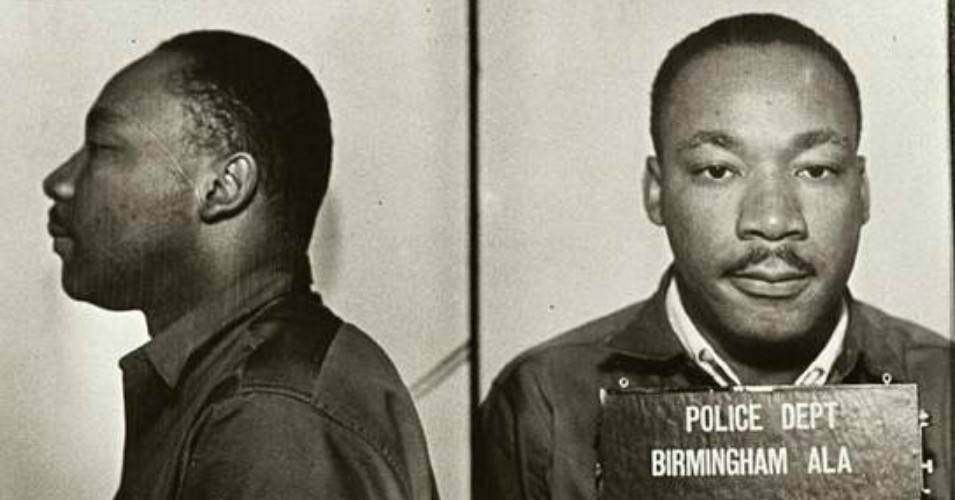
Knowing that everything I do is carefully curated and surveilled prevents me from acting up on the app. Not to be cliche but it really is a panopticonic experience. While surveillance can keep an eye on bad guys, it also scares regular people into conforming to the rules set rather than out of free will. The broader implication of mass surveillance through social media is how it can affect critical thinking, especially as it pertains to social justice and advocacy. The FBI targeting Martin Luther King Jr. set precedent for this concern, specifically when the FBI tried to assassinate Dr. King’s character by exposing his infidelity in an attempt to delegitimize his leadership in the Civil Rights movement. That was before Instagram. In 2020, it would be a lot easier to defame a leader of a social movement. With this much surveillance, we behave according to the rules and if we try to stand out, corporations and governments would have no problem finding out how to hit us where it hurts.
 Alfred Bordallo // ASCJ 200