COVID, Crisis, and Celebrity Culture

My remix video is at the bottom of this post. You can also click here to view. .gif

Social responsibility is an inherent feature of power and influence, or at least it ought to be. For celebrities with millions of instagram followers, hit songs, and lead roles in block-buster movies, their power lies in the support that the general public gives to celebrity culture. In short, Celebrity Culture is society’s obsession and perpetuation of celebrities’s personal lives on a global scale, effectively disconnecting them from the real world a.k.a the general public. The mere existence of paparazzi and tabloids testify to how disconnected celebrity culture is from real world issues. In the same week and from the same publication, one headline can be about Kendall Jenner not having a wardrobe malfunction while another headline tackles Russian imperialism over the Ukraine. Clearly, there’s a disconnect, and in times of crisis, it often ends up that the general public suffers while those in power take shelter million dollar mansions. Despite their means to make a difference, some celebrities choose to put a bandaid on a gaping flesh wound. 

source

There’s a clear division in priority, and as consumers, we are a part of the problem. Celebrity culture is all about parasocial relationships, which are one-sided, virtual connections that fans feel to a given celebrity. As a fan and consumer of media, we need to be cognisant of how those in power treat us. When we don’t, celebrities will give us videos like this (embedded below) during a global pandemic. Once again, the sheer disconnect from real world issues is what makes celebrity culture so one-sided against the general public. 

Not my video – only the original. My remix is at the bottom of this page or here

I chose this video to remix because I feel that celebrities with strong platforms need to play their role in providing aid to those afflicted by crisis. Gal Gadot might play Wonder Woman, but Wonder Woman would never release a poorly created rendition of a song written by an abuser in response to a global pandemic. Instead, she would find sustainable ways through which essential workers and medical professionals can be supported. Maybe not, but my point still stands: as world citizens with large platforms, celebrities have a responsibility to use their resources and influence to help those who are suffering.  .gif

I pulled from a variety of clips that demonstrate how multifaceted of an issue the virus is. From hate crimes, to underpaid essential workers, to virtual funerals, all the way to mass graves at home and abroad, celebrities had a multitude of issues they could have substantially addressed. By juxtaposing the ironically serious facial expressions and poor singing of the celebrities with the real world issues presented by COVID-19, I wanted to highlight how the general public should not accept these sort of publicity stunts as support and solidarity. 
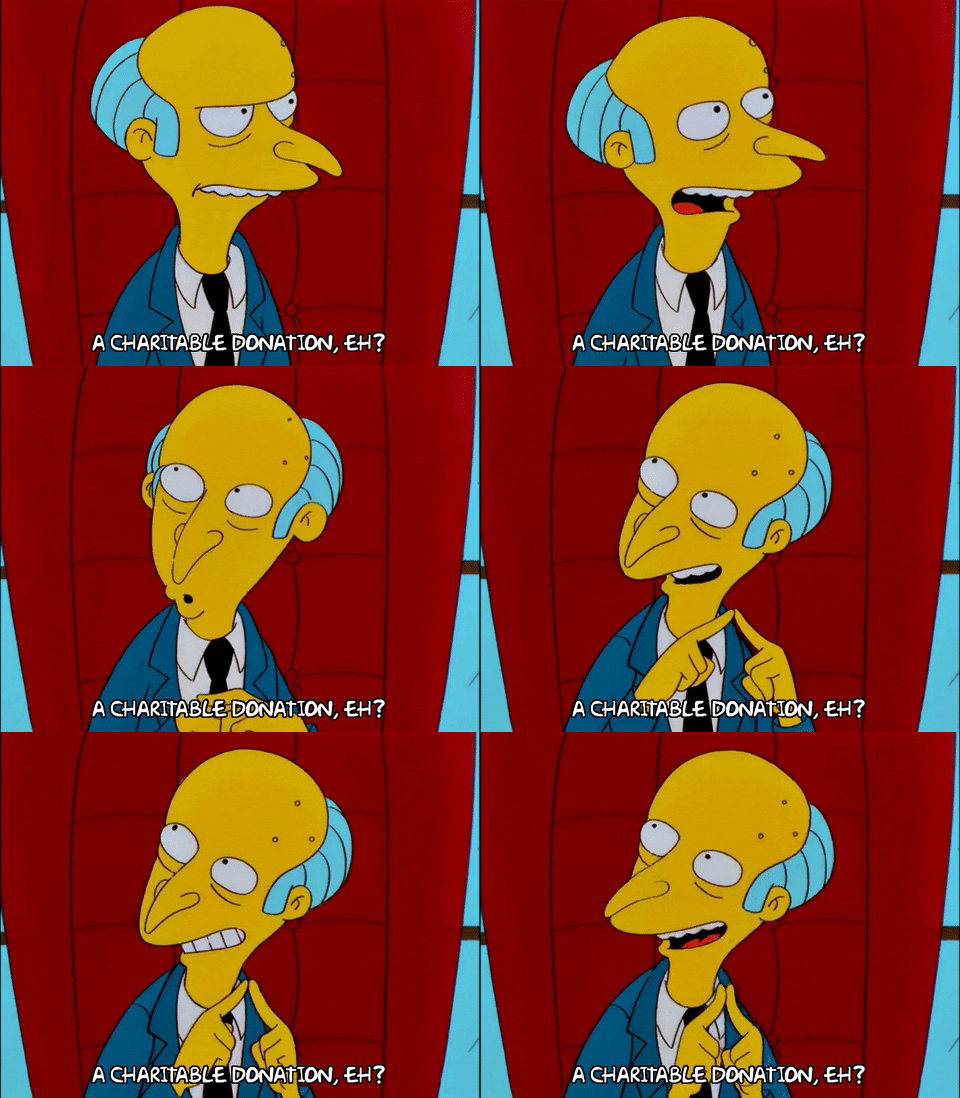
But celebrity culture can be used for good. I also chose screenshots of different headlines that showcase the many good things that celebrities are able to do during times of crisis. From Russel Wilson, to Dolly Parton, to Cardi B- the range of issues they address is as diverse as their careers. Furthermore, with an actual doctor singing alongside these headlines, I wanted to create some irony between both halves of the video. With a doctor singing and celebrities contributing substantial aid to the general public, it’s the exact opposite of the first half. .gif

This remix is not to say that celebrity should cease to exist- I sincerely believe it has its place in inspiring people to be better. Regular people, their fans, are their livelihood. When everyday people that support them are suffering, celebrities share some responsibility for society’s well being. As consumers, we need to think critically and demand better from celebrities when they drop publicity stunts like this. We deserve better than performative activism, so let’s hold our idols accountable. 

Sources:

Panoptic-gram

source

A hallmark of our generation, social media and its influence is truly a force of nature. From Coca-Cola and Nike to the dog whose owner made a petstagram, almost everything has a profile. While some users may have an Instagram to promote a small business, or simply to archive and share precious memories, social sites have uncomfortably specific tabs on everyone. 


Downloading my Instagram information was like opening up my stalker’s diary. Upon unzipping the file, it was very clear that they record much more than just what you’ve posted. Instead, I found that Instagram pays much closer to how I behave on the app than I do. For instance, the files downloaded included information ranging from all the content I’ve ever seen, all of the contacts that I have synced, all the changes in settings I’ve ever made, and to top it off: all of the friend suggestions I’ve submitted. In short, it has better recollection of how I interact on the app with others than I do- it’s like being a lab rat. Real evil-science energy.

Perhaps even more ominously scientific is the way this information is formatted. Each of my pictures, instant messages, and seen content are all formatted with numbers fed to the algorithm. It’s one thing for Instagram to know more about me than I do, but everything I’ve ever done on Insta is now numbered with a serial code as demonstrated below. Can you even tell the difference?

stories/202004/29d9d2e4fd73e63774601fffb621c9a0.jpg”}, {“caption”: “”, “taken_at”: “2020-04-06T03:53:56+00:00”, “path”: “stories/202004/c719e1348554827144d5dfc400e5965f.jpg”}, {“caption”: “take picz \nwith me”, “taken_at”: “2020-04-05T19:42:33+00:00”, “path”: “stories/202004/e145298efa052c54e20c590c49b936b6.jpg”}, {“caption”: “go support they’re probably the only place still developing!!! <3”, “taken_at”: “2020-04-05T01:39:01+00:00”, “path”: “stories/202004/b48e75198a31a9f4910045ad1d623132.jpg”}, {“caption”: “final”, “taken_at”: “2020-04-03T20:07:59+00:00”, “path”: “stories/202004/0d44a308e04ad52346e93c66a32d66bb.jpg”}, {“caption”: “homemade ranch”, “taken_at”: “2020-04-03T19:59:27+00:00”, “path”:

GIF SOURCE

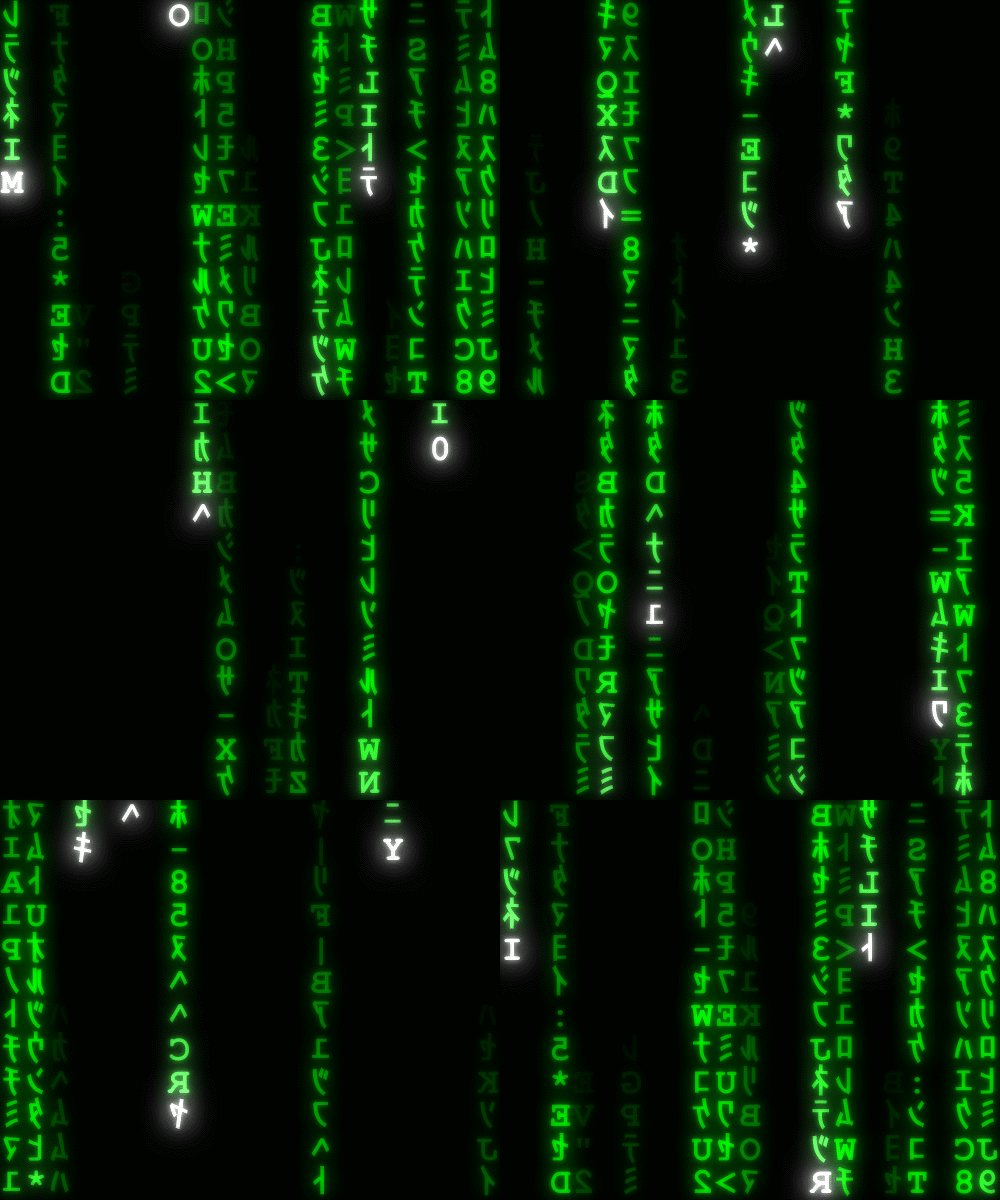
This is okay for material items like clothes and furniture or whatever, but everything I’ve put on Instagram is to build and maintain relationships. It feels extremely dystopian that the very experiences and relationships that make me human are reduced to numbers. We often joke about how the post-apocalyptic future is a huge simulation where nothing we experience is real and it is all carefully facilitated to pacify our resistance and free will. Welp, this is pretty much a diet version of it. Instagram, and other social sites as we use them, are just really subtle reboots of The Matrix. But this is not about evil robots harvesting the energy from our bodies, it’s about corporations buying our memories and relationships to sell us stuff the algorithm says we might be interested in.

source

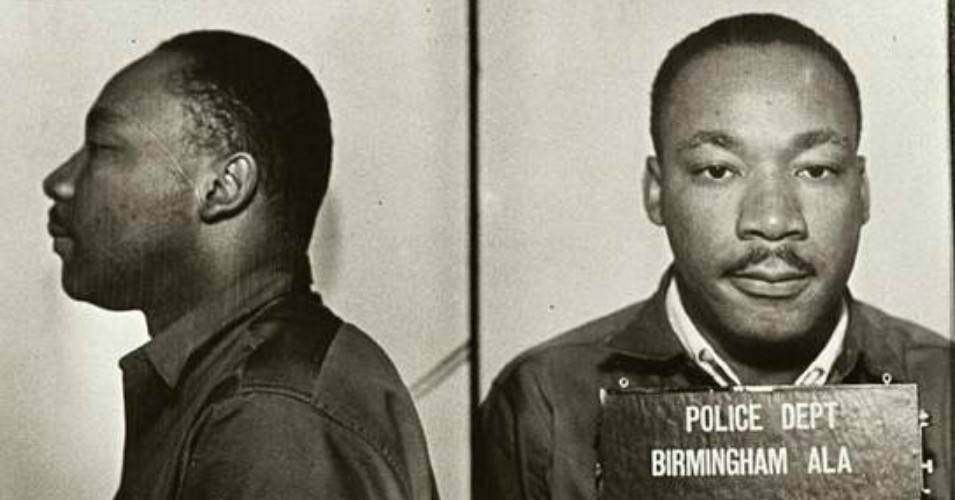
Knowing that everything I do is carefully curated and surveilled prevents me from acting up on the app. Not to be cliche but it really is a panopticonic experience. While surveillance can keep an eye on bad guys, it also scares regular people into conforming to the rules set rather than out of free will. The broader implication of mass surveillance through social media is how it can affect critical thinking, especially as it pertains to social justice and advocacy. The FBI targeting Martin Luther King Jr. set precedent for this concern, specifically when the FBI tried to assassinate Dr. King’s character by exposing his infidelity in an attempt to delegitimize his leadership in the Civil Rights movement. That was before Instagram. In 2020, it would be a lot easier to defame a leader of a social movement. With this much surveillance, we behave according to the rules and if we try to stand out, corporations and governments would have no problem finding out how to hit us where it hurts. 

A mugshot of Martin Luther King Jr. was taken following his 1963 arrest in Birmingham, Alabama. (Photo: Wikimedia Commons)

But these are the terms and conditions we agreed to. 

Distance and Distraction

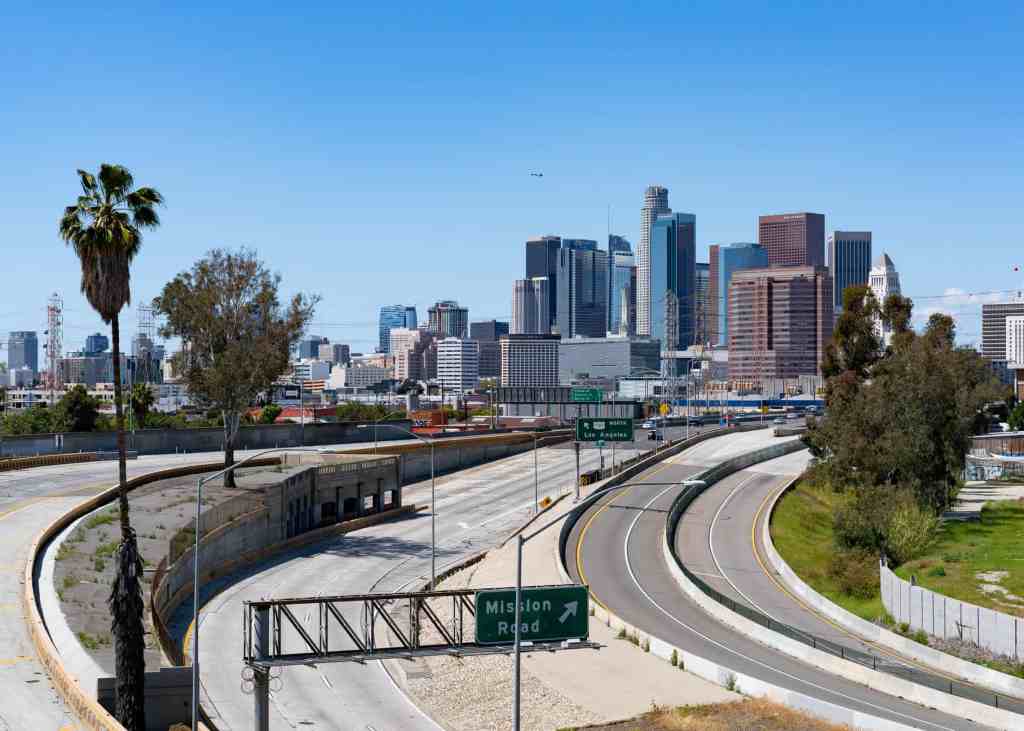
(Freeways are empty during afternoon rush hour in Los Angeles after a shelter-in-place order. Photograph: AaronP/Bauer-Griffin/GC Images)

There have been many times in my college career where I wished I could just stay home, lay in bed, and play video games all day. What I once yearned for is now what I dread. 

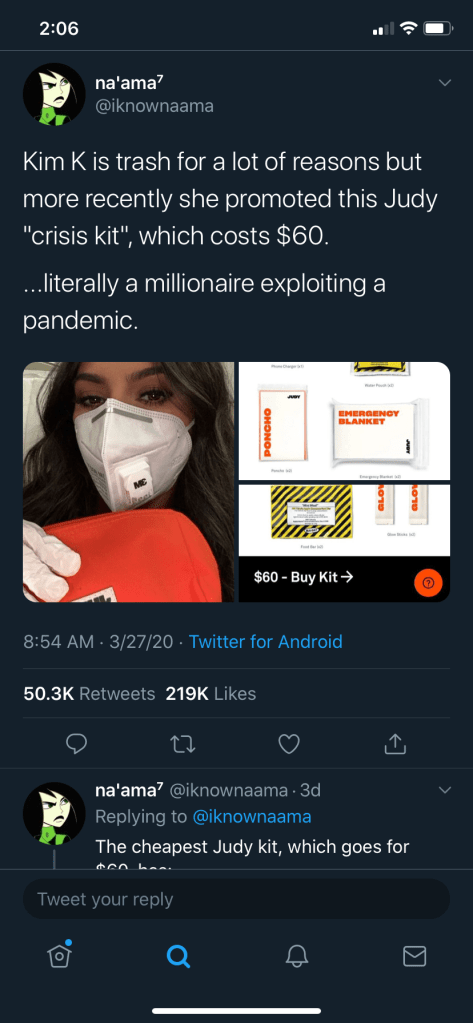
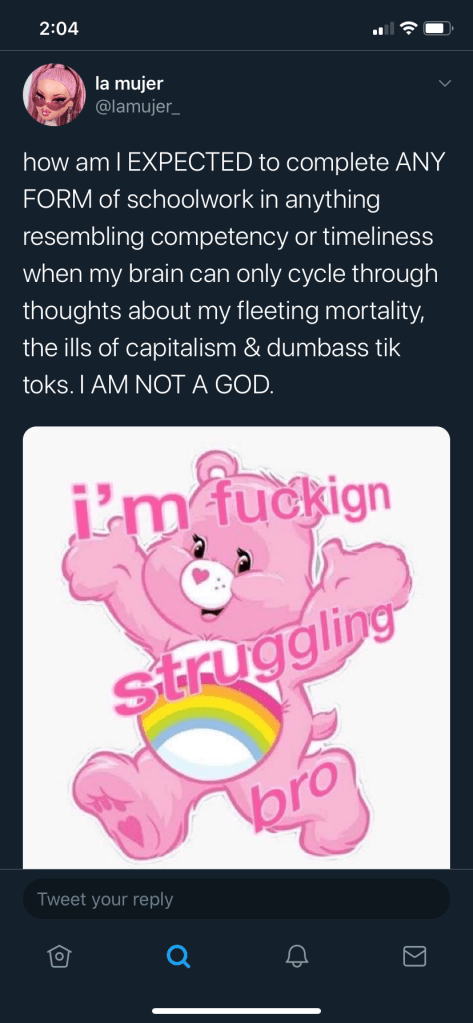
Since our government started to take the pandemic seriously, I have felt far less motivation to remove myself from my phone. My average daily usage bumped a whole two hours for my daily average. In turn, my usage of Twitter and Reddit also increased, with Reddit overcoming Instagram to be my second most used app throughout this crisis. Through Twitter, I can tell that COVID-19 has had a similar effect on many of us. As the world’s group chat, my timeline is full of other accounts expressing the virtual equivalent of an amen by drafting and retweeting posts about gaining weight, boredom at home, and anger for those not complying to government regulations of staying home. Furthermore, news headlines on my timeline have given me access to articles and other users’ perception of them- for better or worse. 


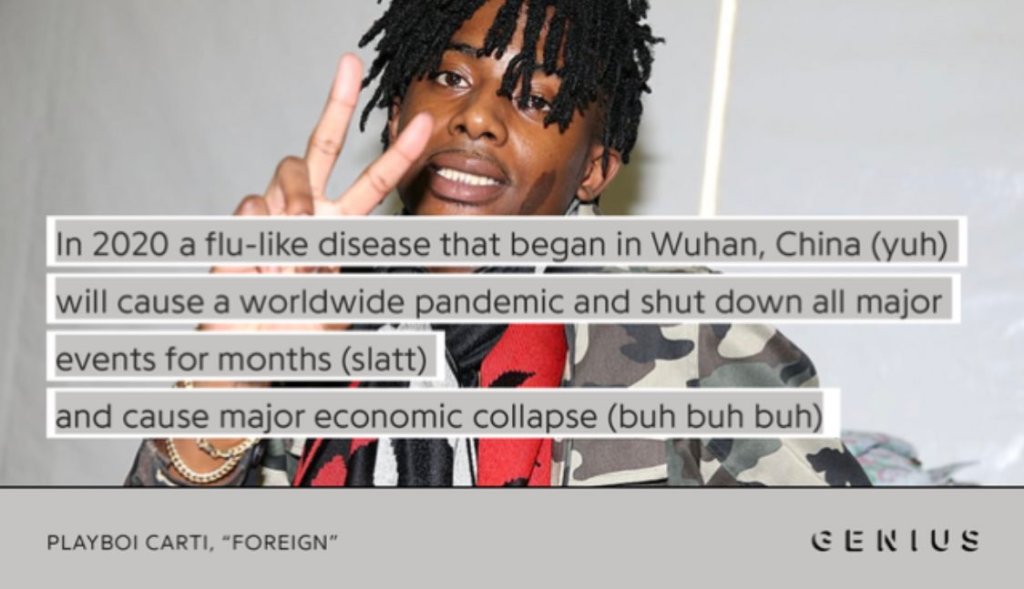
For instance, this meme of rapper Playboi Carti frames the artist as warning us about the upcoming pandemic through his lyrics, which are communicated in the style of popular lyric annotation site Genius.

I find this artifact interesting because it is such a strong reflection of how modern youth culture deals with crisis: cracking jokes through the manipulation of popular media while ironically positioning a celebrity not known for activism at the helm of addressing the issue. Our generation does not take crises seriously. We have been distracted our whole lives from world issues and we use memes to make sense of it all. 

“In prehistoric times, mankind often had only two choices in crisis situations: fight or flee. In modern times, humor offers us a third alternative; fight, flee – or laugh.”

Robert Orben

When it comes to the hard news, this article from my home island’s local news has stuck out to me because it shows the intersection of colonization, pandemic, and government action. Not only did this hit close to home, it also showed how U.S. territories are subjugated to maintaining U.S. interests over their own. Guam does not have the medical infrastructure to support all the potential Manåmko’ that would need attention if the outbreak were to be poorly contained. Considering how there are insufficient test kits and no disclosure of the specific quarantine area on base, things can turn sour real quick. 

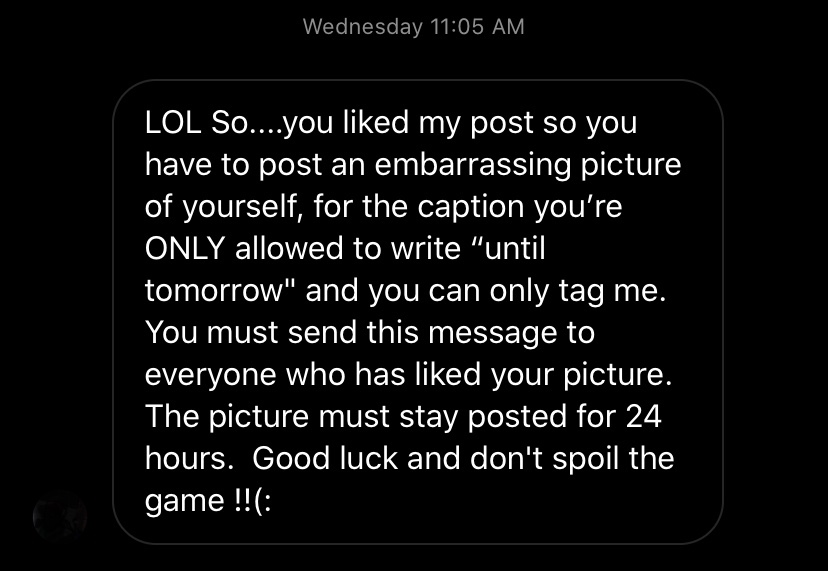
While these two sites have been reliable distractions, Instagram has somehow outdone itself as the most insufferable app in popular media. I scroll through posts and stories wondering how people can even post about their glamorous lives throughout a global pandemic. Furthermore, these challenges and tags have made the social site on the level of corniness of Facebook, the old people app. It’s miserable over there but I still use it- I mean have free time. 


But this free time has come at a cost. A lot of people seem to realize how unhappy they are without distractions. I’ve definitely laid in my bed all day questioning the futility of my actions a time or two and Twitter let me know that I’m not alone. This usually happens when I feel like I haven’t done anything worthy or meaningful that day, a goal-post that consistently changes based on my mood. However, I have consistently found that good conversations, quality meals, and a few moments to appreciate the sky are what makes me happy. Social Media, Celebrities, etc. is exposing itself as non-essential during crisis. Maybe after the brunt of this is over, our culture will change its priorities.

“The Chinese use two brush strokes to write the word ‘crisis.’ One brush stroke stands for danger; the other for opportunity. In a crisis, be aware of the danger–but recognize the opportunity.”

John F. Kennedy

Immigration + Asylum: America’s Selective Freedom

The refugee crisis of Latin America

The United States’ relationship with Latin American countries is not considered that friendly on any account. Whether it is land acquisitions in the Mexican-America War, or the establishment of banana republics, conflicts from long ago subject Latin Americans to violence and poverty. While this half of the global south faces its issues, other regions are affected by war and suffering, forcing citizens out of their own country in search of safety and asylum. <a href="http://&lt;!– wp:paragraph {"align":"center","placeholder":"Write title…","fontSize":"large"} –> <p class="has-text-align-center has-large-font-size">The refugee crisis of Latin America</p> <!– /wp:paragraph –> <!– wp:paragraph –> <p>The United States’ relationship with Latin American countries is not considered that friendly on any account. Whether it is land acquisitions in the Mexican-America War, or the establishment of banana republics, conflicts from long ago subject Latin Americans to violence and poverty. While this half of the global south faces its issues, other regions are affected by war and suffering, forcing citizens out of their own country in search of safety and asylum.</p> (featured image source)

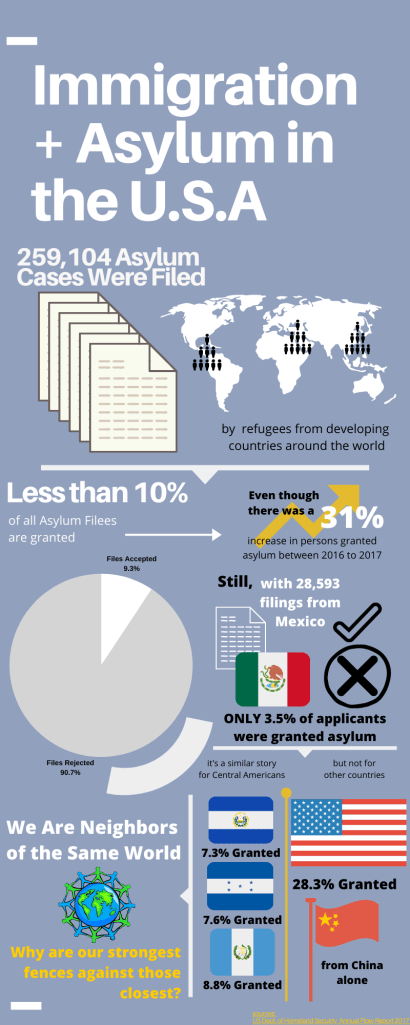
The U.S. has long dubbed itself as the leader of the free world- but as a country, does it really put its money where its mouth is? The United States rejects over 90% of the quarter million asylum cases filed both defensively and affirmatively. While this acceptance rate is below 10%, it is a 31% increase in the amount of refugees granted asylum between 2016 and 2017. This leads me to two conclusions: First, the U.S. has not been doing as much as it could have for aiding refugees in modern conflicts. Secondly, the Land of the Free can accommodate much more than what the government leads on. This sudden bump makes it very apparent that with all of the conflicts happening around the world, the U.S. has become very selective on who is allowed safety in our borders. 

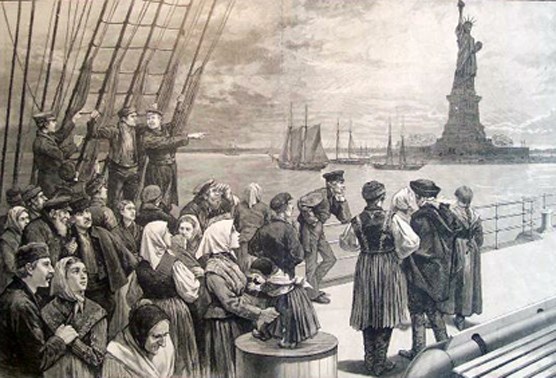
“Give me your tired, your poor, Your huddled masses yearning to breathe free, The wretched refuse of your teeming shore. Send these, the homeless, tempest-tost to me, I lift my lamp beside the golden door!

– Emma Lazarus

source

The most drastic of this selection disparity can be found between one of our closest neighbors: Mexico. With a tumultuous history of war, land acquisition, and labor exploitation of the U.S. onto our neighbor, the same spirit of freedom is held by the U.S. in it’s acceptance of only a mere 3.5% of asylum cases that were filed. The likelihood of being accepted as a refugee from Mexico into the U.S. is even worse than a college student trying to get into Stanford. Although instead of higher education, real lives are on the line. The same story can be told for Latin American countries with less than a 9% acceptance rate such as Honduras, El Salvador, and Guatemala, each represented with their flags. They remain on the outside of the American flag, meanwhile China, whose acceptance rate is at 28.3%, is located safely inside our local symbol of freedom. With numbers that high, the disparity of asylum cases granted is clearly skewed against our own neighbors. Source.

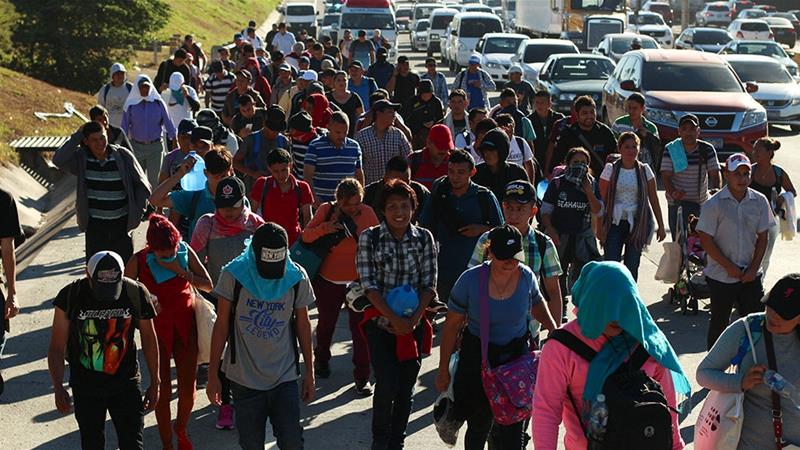
el salvador refugee caravan (2019); source

While there was an increase in the amount of cases granted, most of those spots were allocated to other countries, such as China. This infographic is not meant to criticize the U.S. for the cases granted to Chinese applicants, rather it’s to criticize the response to the thousands of Latin American refugees that also need asylum from the issues of war and poverty instigated by U.S. interference to begin with. The U.S. exists as a paradox as long as it names itself a champion of freedom while subjecting people to the violence and poverty produced by its interference. all sources found here.

The Face of Social Media: Friend or Foe?

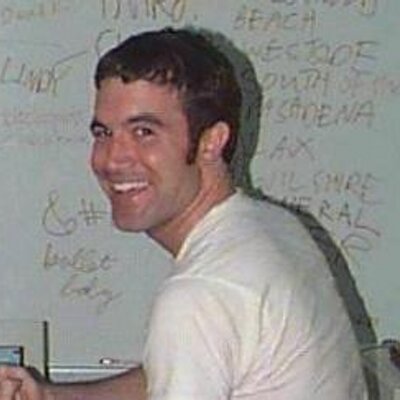
Social Media is an all encompassing facet of the 21st Century. Companies recognize its commercial value, people recognize its social value, and social media recognizes the power it has in serving as a means of communication for the whole world. But Rome wasn’t built in a day. Social Media’s existence was once cumbersome, and in it’s earliest popular form was MySpace, which in the late 2000’s connected people from around the world, enabling us to share our interests through an online network.Tom Anderson, colloquially referred to as MySpace Tom, was its founder. He is remembered as the unassuming gentleman that was our first friend on Social Media.

But Social Media isn’t the same as it was at the beginning of the decade. Since the early 2010’s, Facebook has become the largest social networking site with over 2 billion users and ownership over Instagram. It’s not a 2007 social site, it’s a tech-industry giant that surveils billions of people and sells user-info to businesses. The lizard-like overlord of this system is Mark Zuckerberg. Since its inception, Mark Zuckerberg and his company have been called out by Congress and other organizations for interfering in the 2016 election, violating our privacy, and negatively affecting user’s self esteem and wellbeing. 

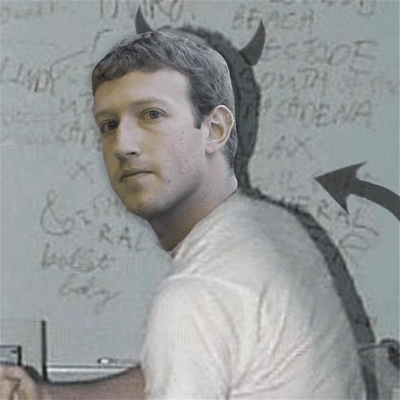
bad zuckerberg // source

Social Media and its figureheads have taken a heel turn. MySpace Tom was our first friend on a goofy site! His profile picture is unmistakable to the social media veterans. Meanwhile, Zuckerberg is a cold-blooded businessman, capitalizing off of our needs to share and connect by selling our livelihood to other businesses. In my DIY project, Zuckerberg’s soulless expression has replaced MySpace Tom’s warm embrace, revealing his true colors in the darkness of his shadow.

Journalism as Commercial

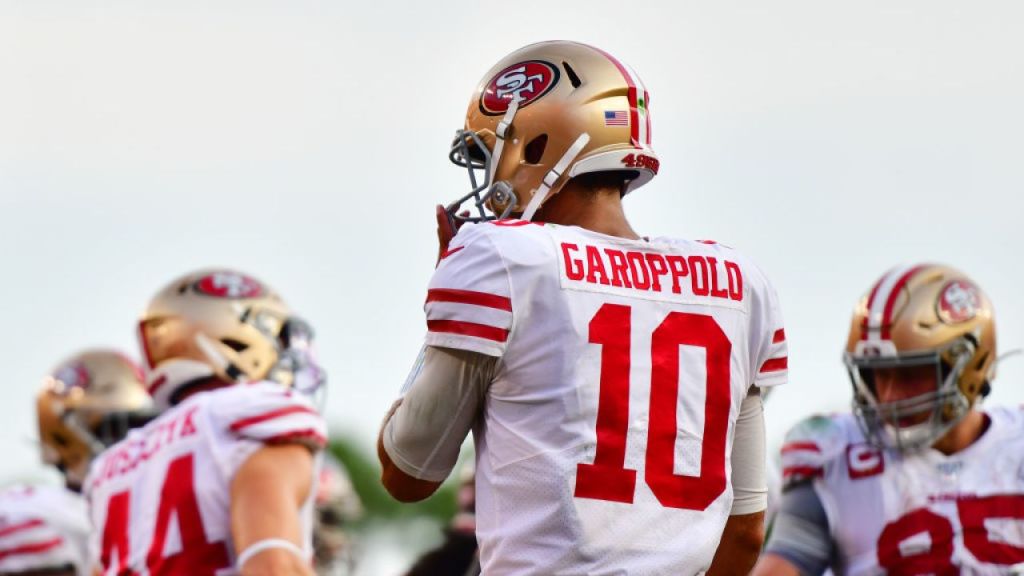
My absolute favorite part of a SMELL Test assignment is deducing an articles motivation and purpose from the impliced clues and hints laced throughout the text. This article’s true intentions became very apparent the further I looked into it’s sources and its evidence. The author, Grant Gordon, is a seasoned sports journalist who spent over a decade writing for the LA Times, and In 2018, he moved onto writing online articles hosted on the official NFL website. In his article titled These Niners look a lot like ’94 Super Bowl champs, hyperlinks were only attached to players, teams, and Super Bowls, each leading to another player or team profile posted specifically on the NFL website. While these sources are high in proximity and expertise, their independence is questionable when considering how they are all linked to the NFL’s website. That is, if a source was present.

The only quote throughout the entire article cites the current 49er’s quarterback Jimmy Garappolo’s thoughts on the Shanahans’ embrace of the franchise’s history, along with seeing 49er legends still supporting the team to this day. While the sentiment is very touching, the article provides no source credits. Additionally, a google search yielded no credible record of Garoppolo making said statement. The only link that came up was back to that same article. 

image source: Julio Aguilar

The evidence presented in this article, although widely trusted by fans and analysts, is very centralized in the NFL website. With zero external links, and no quote sources, the evidence is weak in some areas but credible in others. Gordon presents his points very logically, with thoughtful comparisons that measure up both eras of the team. From technical differences in yardage, to sentimental parallels in the Father and Son coaching duo, the author does a good job of covering all aspects of comparison. 

At a glance, this article may seem very informative and credible at drawing parallels between the 49’ers in ‘94 and the 49’s today. I admit that I enjoyed reading the article, but the webpage also contained distracting ads that were very telling of its motivations. Before you can even begin reading, the page features a 30 second video ad for the Super Bowl, followed shortly by a pop-up ad in the middle of the article. At the end of the article, an FAQ informing the reader of when/where the Super Bowl is, as well as how to watch it, leads me to understand that the entire text is just one long ad playing off of nostalgia in order to generate hype for the Super Bowl. 

Grant Gordon wrote an article that plays the heartstrings of the nostalgic NFL fan, using NFL linked-stats and the company’s likeness to establish credibility in his writing. Juxtaposed with several Super Bowl ads on the same site, it is very apparent that the article itself is an ad for the Super Bowl. Gordon very tactfully created an ad disguised as informative media, and within our own subconscious, readers are more susceptible to watching the Super Bowl and all the ads placed thereafter. This article speaks volumes on many forms of journalism published by large companies such as the NFL. Almost everything written, in one capacity or another, is an opportunity for companies to advertise their product. With motivations of advertisement and limited sourcing, this article cannot pass the SMELL Test and inadvertently has challenged me to consciously disseminate ad from article.

sike this isn’t an actual ad; source

Car Rides and Media Consumption

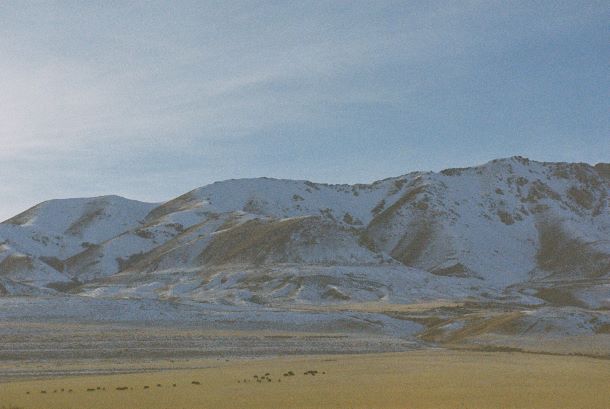
picture by me – taken on road trip – it pays to look out the window

Travelling has and always will be the death of me. From an early age I remember the lengthy road trips from Sacramento to Los Angeles during the holidays, and when I moved back to Guam the average travel time was at least 18 hours altogether. It also does me no favors that I cannot sleep on planes. However, what distinguishes my travel experiences from childhood until now is the advent of the smartphone. In my childhood, I was very fortunate if my parents remembered to bring their CD catalog or a deck of cards on a road trip. Whenever they forgot, I knew I was in for a long, excruciatingly boring ride. 

In my recent road trip to Salt Lake City, this was not the case. I had endless access to music, TV shows, and social media. My smartphone enabled me to stay busy during the whole trip, whether it was listening to music while driving, watching Regular Show sprawled out in the backseat, or even scrolling through Insta and Reddit after exiting the mountain passes. In the different cities I would pass through, different ads would pop up, usually for casinos in Vegas or for Camera stores in Salt Lake City. As billboards throughout the highway advertised for different businesses, so did the ads on my social media. My acquired privilege and obligation to drive during these long road trips brought the key differences in navigation to my attention as well. For the entire time I drove, it was Google Maps updating me on traffic and where to navigate instead of terrestrial radio reports and physical copies of maps.

Despite all of these newfound abilities and access to content, I still struggled with boredom, impatience, and now more than ever, motion sickness. I have never been the type to sleep through a road trip or flight, so even while I was watching one of my favorite shows or listening to my most played songs of 2019, the experience of the drive just made all of it far more unenjoyable. Still, I did it because time does not pass by quickly enough when I look at the world around me. It was during the times when I’d put my phone down and appreciate the snow capped mountains that the road trip seemed to take forever.

The amount of access to media has undeniably changed my travel experience. From the way I navigate to the way I keep myself entertained, the differences speak for themselves. However, travelling still sucks, and my access to media becomes far more mundane and unenjoyable when I am in an environment that forces me to scroll mindlessly through social media or begrudgingly listen to a song because it’s better than listening to the white noise of tires speeding down a freeway. Technology has managed to capture my dependency on a constant stream of media consumption while simultaneously making the consumption of media far less enjoyable when I feel like I need it most. 

Has my access to media really made my travel experience more tolerable, or has it reduced my ability to sit through a drive without a smartphone in front of my face? In any event, I would rather live in a world of smartphones because of tools such as Google Maps that streamline the experience. While technology does make some experiences easier to handle, it exacerbates our feelings of boredom and impatience. I have done media logs in the past, but this assignment has made it clear that I need to work on being more comfortable in my own head rather than on social media. 

Design a site like this with WordPress.com
Get started